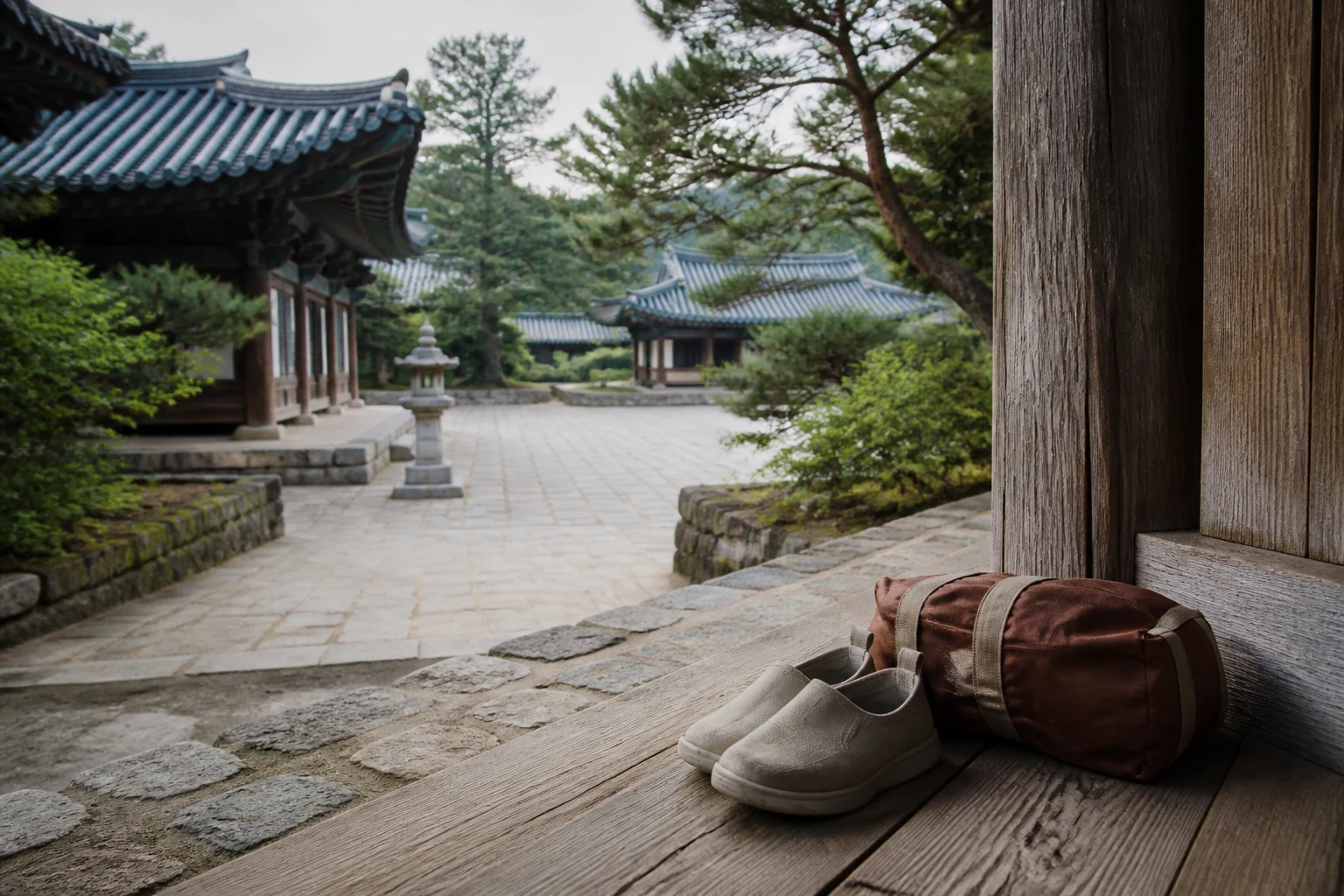
Korea decision guide
Temple-stay and quiet heritage planning
Choose a Templestay format by the schedule commitment you actually want to make.
Best when
You can choose between a short introduction, a host-led activity programme, or a stay with more free time.
Skip if
You need hotel-like flexibility or cannot accept that the individual host’s current programme rules control.
Compare options
Day programme
Best for: A visitor with limited time who wants a short Buddhist-culture introduction.
Tradeoff: The official platform describes a shorter format; its exact activities and duration remain host-specific.
Verify: Open the individual programme page for date, language, arrival, and payment conditions.
Experience programme
Best for: A traveler choosing a particular activity rather than simply an overnight.
Tradeoff: Official guidance says content varies by season and host, so never assume the same activities across temples.
Verify: Compare the named activities and participation terms on the selected programme page.
Rest programme
Best for: An overnight guest who values free time around core temple activities.
Tradeoff: It is still a temple stay, not unstructured lodging; the host sets the fixed activities and facilities.
Verify: Confirm accommodation, meals, accessibility, language, and cancellation conditions before payment.
Decision flow
Which Templestay commitment fits?
- Choose short introduction, activity-led, or free-time stay
- Read the named host’s conditions
- Book only the format whose schedule you accept
Limitations
- Individual hosts set schedules, language support, meals, accessibility, accommodation, participation, and cancellation conditions.
KOREA MODE editorial planning, not firsthand reporting; the Korean Buddhist Cultural Corps platform and the host’s current rules take priority.
Sources and review
- Templestay programme types — Korean Buddhist Cultural Corps
- Templestay in Korea — Korea Tourism Organization